
Die KuaS im April
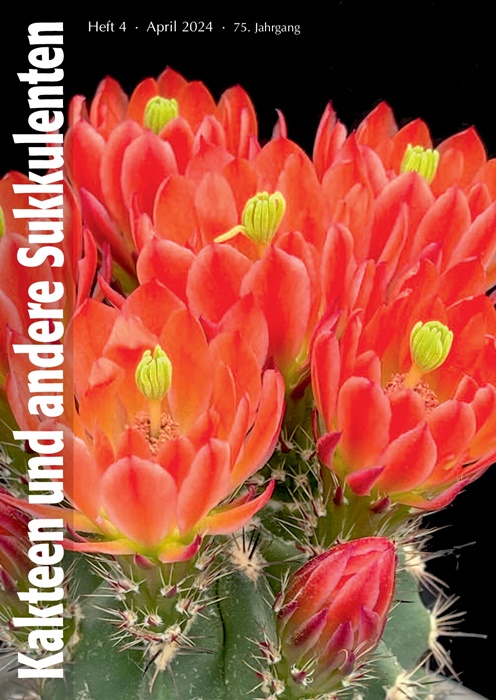
Das erwartet uns in der Ausgabe April 2024 unserer Zeitschrift „Kakteen und andere Sukkulenten“:
„Lithops sind schön, auch wenn sie alt sind und gerade nicht blühen“ von OLDRICH CHLOUPEK
Lithops sind beliebt. Pflegt man sie wie Kakteen, ist ein Scheitern aber vorprogrammiert. Der Autor stellt seine Favoriten vor und erklärt, was zu beachten ist, damit man lange an diesen besonderen Sukkulenten Freude haben kann.
„Ein kleiner Aylostera-Kulturleitfaden“ von DANILO RAUPRICH
Die meisten Aylostera-Arten sind sehr anpassungsfähig und entschuldigen auch kleine Pflegefehler. Durch ihre reichen Blütenschübe machen Sie Anfängern und Fortgeschrittenen gleichermaßen viel Freude.
„Blütenbesucher“ von SAMI MOHAMMAD
Ein Highlight im Sukkulentenjahr ist sicherlich für jeden Sammler die Blüte der Pflanzen. Ist für uns der Anblick ein optischer Genuss, haben die tierischen Blütenbesucher aber ganz anderes im Sinn.
„Eine neue intergenerische Hybride: Cereus jamacaru x Monvillea spegazzinii“ von CHRISTIAN NIESEL
Cereus jamacaru und Monvillea spegazzinii wachsen räumlich so weit von einander entfernt, dass eine natürliche Hybridisierung nicht möglich ist. Auch Bestäubungsversuche führten lange nicht zum Ziel, bis es schließlich doch gelang, die beiden Arten aus unterschiedlichen Gattungen mit einander zu kreuzen.
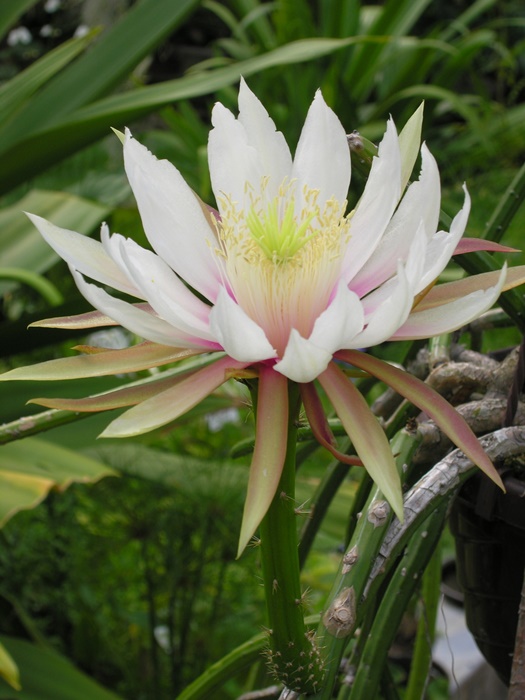
„Die Königinnen vom Vulkan – Selenicereus am Rincón de la Vieja in Costa Rica“ von MICHAEL SCHWERDTFEGER
Costa Rica ist nicht als Kakteenhotspot bekannt. Wer sich aber auf das kleine Land einlässt, wird abwechslungsreiche Landschaften entdecken, eine vielfältige Tierwelt und ganz besondere Kakteen.
„Echinocereus arizonicus und seine Unterarten“ von INGO BARTELS
Echinocereus arizonicus ist sowohl wegen seiner attraktiven Bedornung als auch seiner ansprechenden Blüte eine Bereicherung für jede Kakteensammlung. Der Autor kultiviert mehrere Unterarten und berichtet über seine Erfahrungen.
Darüber hinaus gibt es wie in jeder Ausgabe Kurzportraits von sechs „Empfehlenswerten Kakteen und anderen Sukkulenten“. Diesmal sind es Melocactus pachyacanthus, Raphionacme madiensis, „Astrophytum asterias subsp. lithoformis“, Pachyphytum werdermannii, Escobaria sneedii sowie Anacampseros quinaria.
Auf den beiden Karteikarten werden Sansevieria hargeisana sowie Sansevieria liberica vorgestellt und auf der Seite „Neue Literatur“ geht es um neue Erkenntnisse rund um das Forschungsobjekt Gymnocalycium monvillei.
Die Nachrichten aus den drei Herausgeber-Gesellschaften mit Kleinanzeigen, Hinweisen auf Veranstaltungen und vielem mehr runden die KuaS ab. Nicht zu vergessen: der allmonatliche Rückblick auf die KuaS vor 50 Jahren.
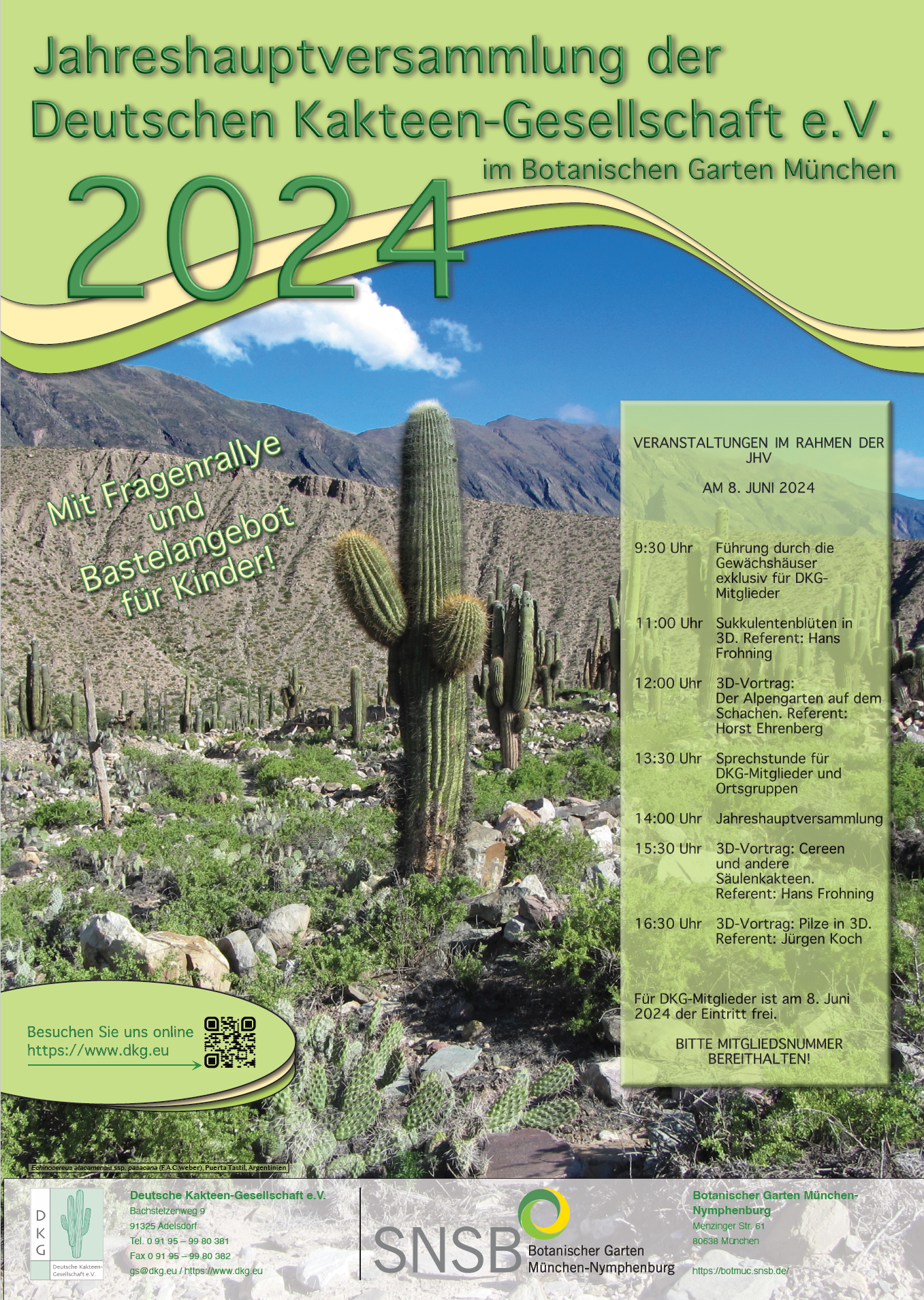
Einladung zum Online-Meeting der DKG am 20. März 2024, 19:30 h
Mittwoch, 20.03.2024, 19.30 Uhr
Aporocactus flagelliformis – Kaktus des Jahres 2024
Referent: Stefan Theiler
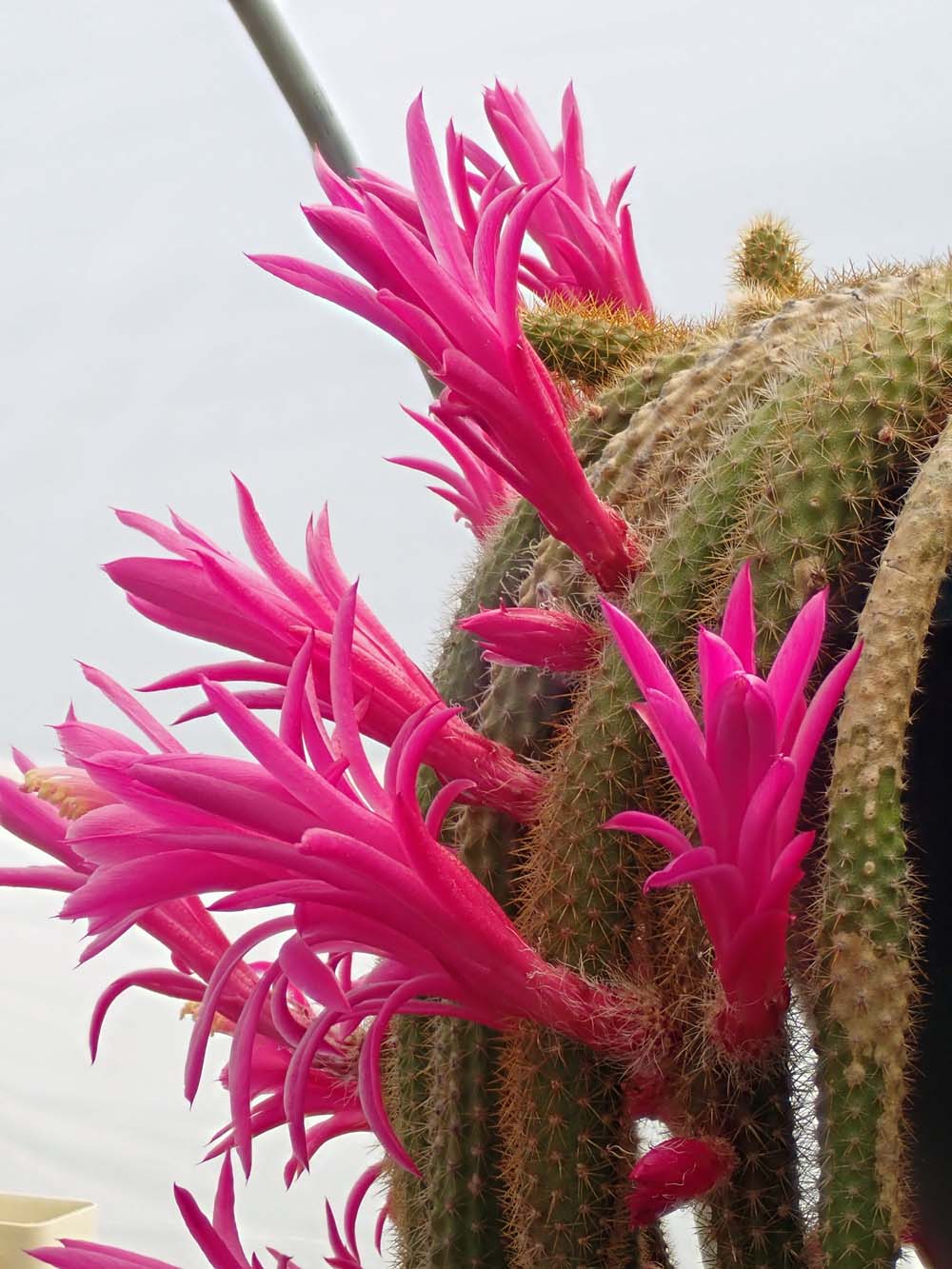
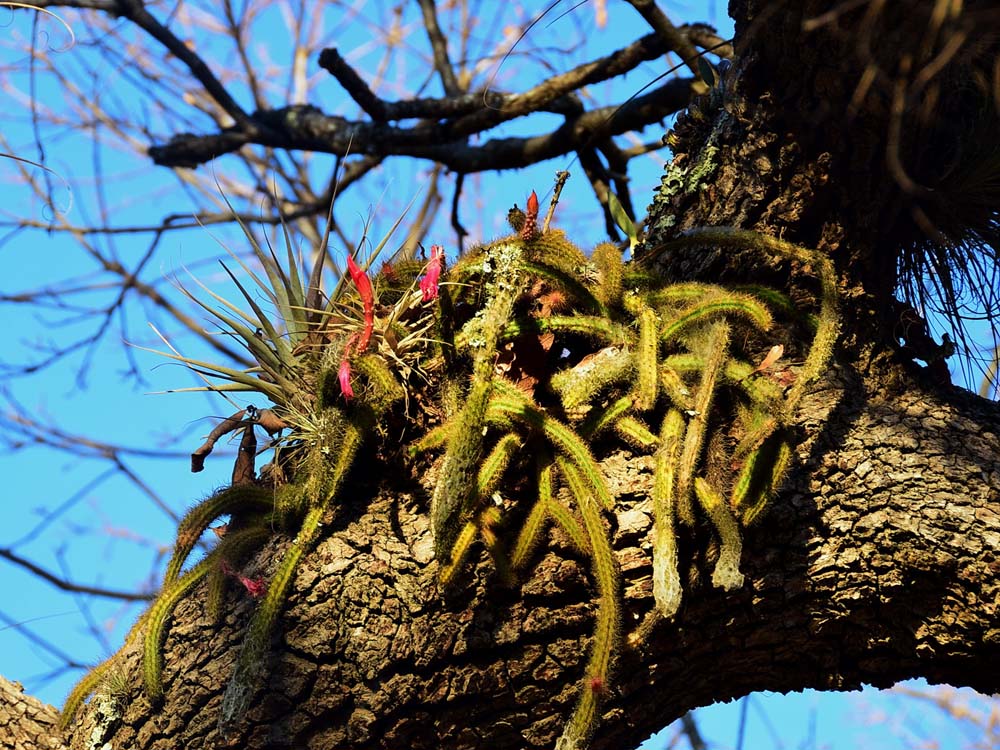
Aporocactus flagelliformis ist auf seine Art einzigartig, denn er bewohnt eine kleine Nische in seiner Heimat. Epiphytisch, fast gänzlich ohne Erde auf Bäumen oder Steinen in trockenen Wäldern lebend und nur aufgrund seiner Fähigkeit den Nebel „melken“ zu können, hat er sich evolutionär hervorragend an seinen Lebensraum angepasst. In seinem Zuhause ist er ein Generalist.
Wir kennen ihn als den hübschen verspielten Hängekaktus, der seine Triebe gesittet über den Topfrand reckt. Doch in Wirklichkeit ist der „Peitschenkaktus“ ein ganz wilder und harter Kerl, der sogar gelegentliche Fröste aushalten kann – auch wenn dabei mal ein paar Schwänzchen abfrieren.
Lernen Sie diesen besonderen Kaktus in seiner Heimat und in Kultur näher kennen.
Besprechungs-ID und Passwort werden 30 Minuten vor Beginn der Vorträge im Online-Portal der DKG unter www.dkg.eu bekanntgegeben.
Die KuaS im März
Das erwartet uns in der Ausgabe März 2024 unserer Zeitschrift „Kakteen und andere Sukkulenten“:
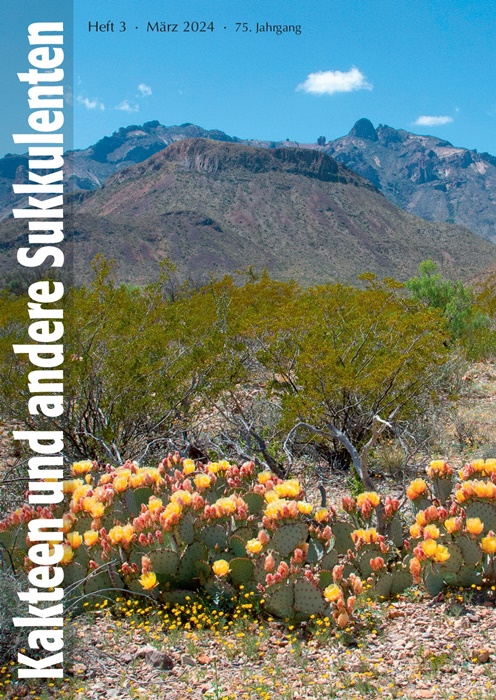
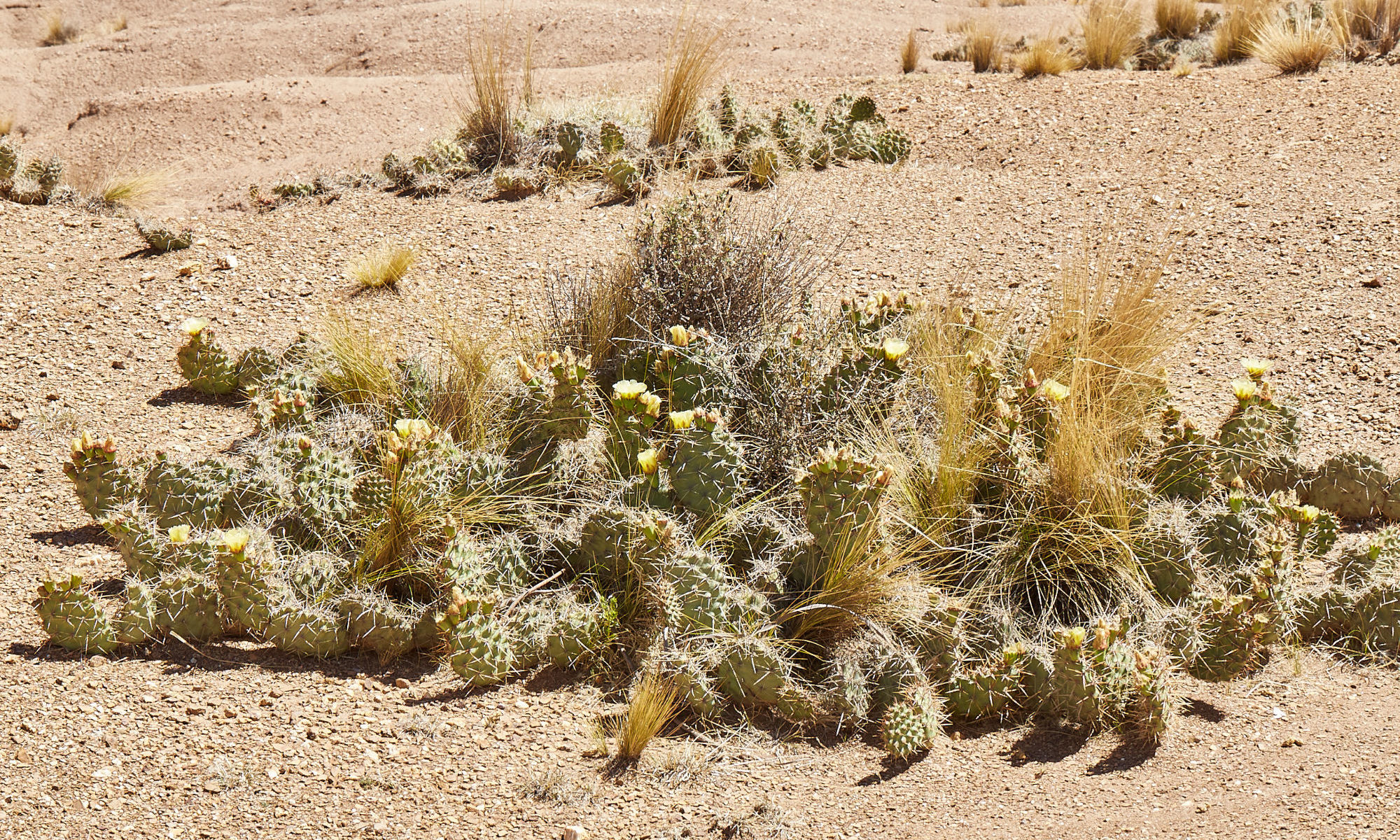
Opuntia phaeacantha
(Foto: Hardy Hübener)
„Frühblühende Sukkulenten im Anza-Borrego Desert State Park in Kalifornien, USA“ von GERHARD DICKNEITE
Obwohl zur Colorado-Wüste gehörend, kann der Anza-Borrego Desert State Park mit einer Vielzahl von Blüten aufwarten. Auch wenn die eigentliche Attraktion die Wildblumenblüte ist, findet der Sukkulentenfreund viel, das sein Herz höherschlagen lässt.
„Ein kleiner Tipp zur Bekämpfung von Trauermücken“ von HUBERT MÜLLER
Die Auswahl des richtigen Mittels gegen Schädlinge ist schwierig. Durch Zufall fand der Autor eine Möglichkeit Trauermücken im Gewächshaus zu erkennen und auch zu dezimieren.
Neue Sonderpublikation – Astrophytum – Hybriden und Kultivare
Roman Pavlica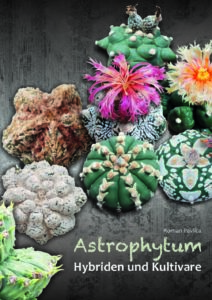
Astrophytum – Hybriden und Kultivare
144 Seiten, Format 17 x 24 cm, Softcover, 480 teils ganzseitige Abbildungen.
Wer hat nicht schon von ihnen gehört, den japanischen Astrophytum-Kultivaren. Der Autor Roman Pavlica stellt Ihnen diese außergewöhnlichen Pflanzen vor. Eine kurze Geschichte der japanischen Astrophytum-Hybriden und -Kultivare sowie Pflegehinweise runden das Buch ab.
Exklusiv nur für Mitglieder
Bestellhinweise finden Sie hier.
Heike Schmid
Geschäftsstelle